
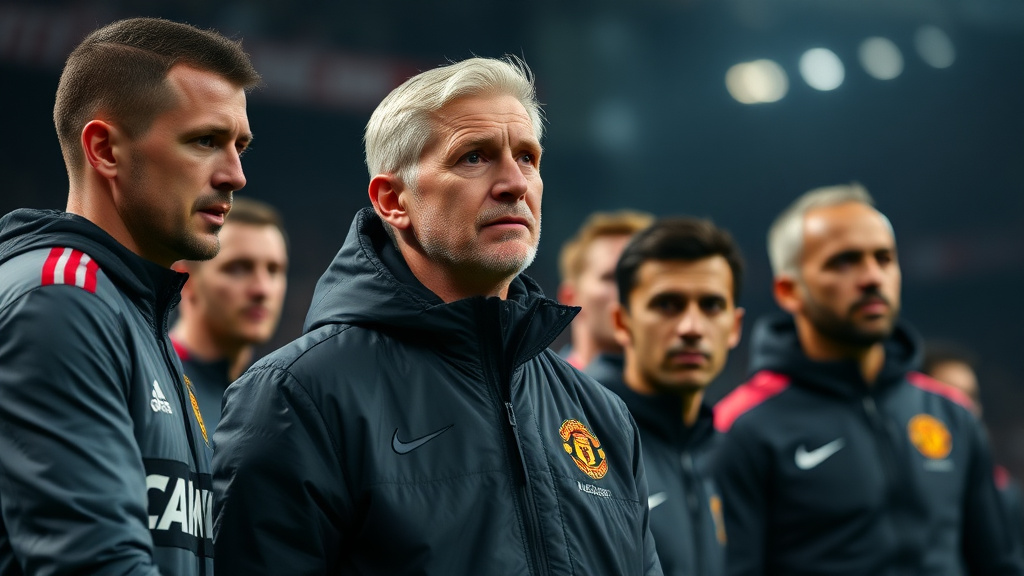
Manchester United stands at a crossroads as the club begins a period of transformation characterized by significant managerial shifts and critical player restructuring. With fresh leadership now guiding operations, the Red Devils confront key choices regarding player recruitment, exits, and tactical direction. This article analyzes the organizational reshaping underway at Old Trafford, investigating how new management intends to restructure the team, address performance inconsistencies, and return the club to its previous success in an highly competitive Premier League setting.
Strategic Squad Overhaul and Transfer Approach
Manchester United’s fresh management regime has launched a comprehensive assessment of the current squad, pinpointing key areas needing strengthening and possible exits. The club understands that sustained success requires a balanced approach combining seasoned players with emerging talent. Transfer strategy now focuses on acquiring players who align with the manager’s tactical philosophy while maintaining fiscal responsibility. Priority targets encompass defensive reinforcements, playmaking options, and versatile attacking options capable of competing at the highest level across multiple competitions throughout the season.
The reorganization effort surpasses mere talent signings, including calculated departures of underperforming or surplus assets. Club officials are reviewing terms, gauging player valuation, and identifying potential loan opportunities for fringe players pursuing consistent game time away. This methodical approach aims to streamline squad composition, reduce wage bill pressures, and establish routes for homegrown talent. By integrating youth advancement with planned acquisitions, Manchester United aims to develop enduring competitive strength while upholding fiscal discipline and sustained institutional stability.
Financial Framework and Budget Allocation
Transfer budget decisions remain critical as Manchester United operates within the intricate terrain of contemporary sports economics. The club must balance ambitious recruitment objectives with careful fiscal oversight, ensuring financial commitments generate measurable performance returns. Strategic partnerships with brand partners and improved commercial revenues create supplementary financial resources. Management emphasizes efficient spending strategies, targeting overlooked talent with significant potential upside. This disciplined approach protects the club’s financial health while supporting competitive squad development essential for challenging rivals at home and in European-level play.
Investment choices progressively reflect data-driven analysis, leveraging advanced analytics and talent identification systems to pinpoint ideal candidates. The club’s recruitment department employs sophisticated metrics evaluating player performance, injury history, age profile, and organizational alignment across the club. Budget allocation focuses on positions of greatest need while preserving roster strength throughout the organization. This comprehensive framework guarantees Manchester United maximizes available funds, minimizes acquisition uncertainty, and constructs a competitive squad equipped to maintaining performance over multiple seasons while maintaining organizational financial viability.
Leadership Strategy and Strategic Approach
The latest managerial leadership brings a updated perspective to Manchester United’s strategic direction, prioritizing flexible tactics and contemporary playing standards. This managerial change represents an platform to establish a unified tactical approach that focuses on high-intensity pressing, ball control, and fluid attacking movements. The manager’s strategic plan significantly transforms player selection strategy, concentrating signings on athletes matching particular tactical needs rather than banking on individual star power alone.
Bolstering the Defense and Defensive Line Stability
Manchester United’s defensive frailties have become more obvious, necessitating immediate reinforcement at central and wide defensive positions. The incoming leadership understands that a solid defensive foundation is crucial for long-term success, prompting targeted recruitment of defenders possessing both physical strength and technical skill. Priority signings will tackle squad age issues while introducing players capable of executing the manager’s high-pressing and possession-oriented defensive approach efficiently.
Backline solidity transcends acquiring new talent; it involves optimizing established defensive assets through strategic instruction and positional development. The leadership group will implement structured defensive drills, stressing communication, positioning awareness, and set-piece organization. This thorough strategy to defensive enhancement aims to turn problem areas into strengths that compete, lowering goals against and creating confidence throughout the squad.
Attacking Prowess and Midfield Play
Goal-scoring power sits at the heart of Manchester United’s title aspirations, with the manager prioritizing attacking midfielders and playmaking talents able to generating consistent goal-scoring opportunities. The strategic setup stresses rapid switches of play, wide-area opportunities, and synchronized attacking patterns that maximize the squad’s goal-scoring potential. Strategic acquisitions will pursue talent featuring ball-playing ability and game awareness match the manager’s attacking style.
Central play patterns form the vital foundation driving Manchester United’s offensive movements and defensive stability simultaneously. The manager requires versatile midfielders able to perform both defensive responsibilities and creative contributions within a fluid tactical framework. Improved midfield unity through improved communication, positional discipline, and tactical awareness will facilitate more fluid attacking moves while preserving defensive compactness during periods when opponents have the ball.
Financial Implications and Long-term Club Stability
Budget Allocation and Transfer Strategy
Manchester United’s reorganization plan requires substantial financial investment, requiring careful budget allocation across talent recruitment and infrastructure development. The club must align urgent on-field demands with ongoing viability, confirming outlays correspond to financial inflows and partnership obligations. New management must emphasize calculated player purchases that resolve positional weaknesses while preserving financial discipline. This equilibrium-focused method preserves the club’s monetary stability while offering necessary investment for roster overhaul and performance improvement in the competitive top-flight landscape.
Revenue Production and Market Influence
The club’s business results significantly impacts restructuring capabilities, with sponsorship deals and retail revenue funding player acquisitions. Successful squad improvements can enhance playing performance, strengthening fan engagement and business relationships. Conversely, persistent poor results risks diminishing income sources and investor confidence. Manchester United’s worldwide reputation remains valuable, yet sustained sporting success is crucial for optimizing commercial opportunities. Management must demonstrate strategic vision to investors, confirming them that present spending will yield strong results and financial stability.
Extended-term Sustainability Approach
Effective squad restructuring transcends immediate transfers, demanding extensive strategic planning that covers academy development, player contract optimization, and wage structure rationalization. Manchester United must implement sustainable frameworks preventing future budget shortfalls while maintaining competitive ambitions. Investment in youth development minimizes future transfer costs while establishing cultural continuity. Strategic contract discussions and squad depth optimization deliver financial prudence without sacrificing competitive standards, setting the club for sustained success and budgetary security throughout the decade.
