
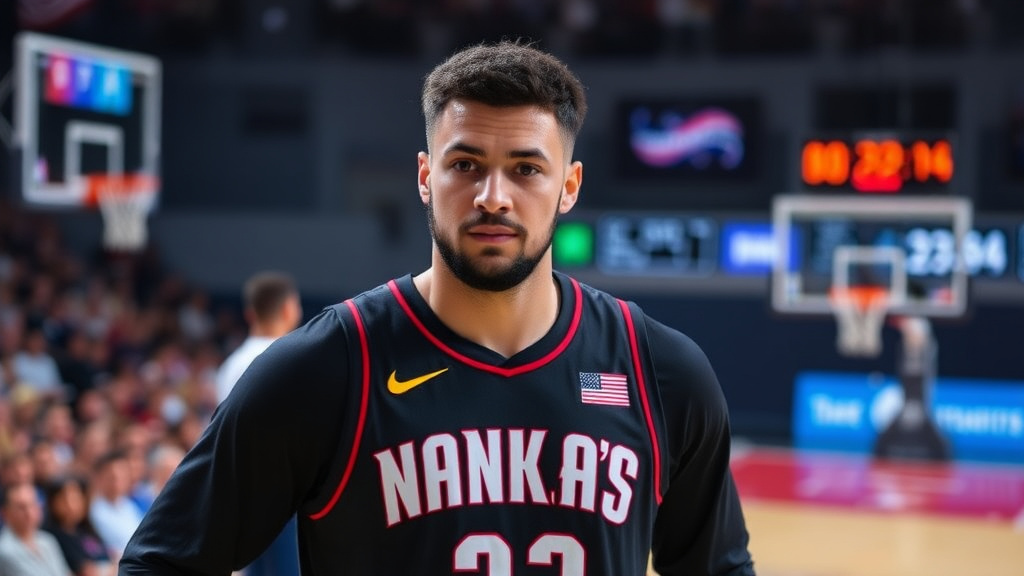
In a time where data drives decisions, one NBA team is revolutionizing how teams assess and improve player performance. By adopting sophisticated analytical strategies that go beyond standard statistical analysis, this progressive franchise is uncovering hidden patterns in player behavior, injury prevention, and competitive flow. This article examines how advanced metrics and machine learning algorithms are revolutionizing coaching methods, optimizing player development, and ultimately redefining competitive advantage in professional basketball.
Advanced Information Collection Approaches
Modern NBA organizations recognize that traditional statistics only scratch the surface of player performance analysis. To achieve competitive edge, teams now deploy sophisticated data collection systems that capture every action, choice, and physical reaction during games and practices. These cutting-edge approaches offer unprecedented insights into player efficiency, fatigue patterns, and injury risk factors. By integrating multiple data streams, teams can create comprehensive performance profiles that guide coaching decisions and player development programs. This holistic approach turns unprocessed data into practical insights that generates winning outcomes.
The adoption of cutting-edge information collection necessitates significant technological investment and system infrastructure. Teams deploy advanced imaging systems, kinetic sensors, and portable monitoring equipment throughout training facilities and arenas to observe player movements continuously. Analytics professionals and data specialists partner with coaching staff to analyze detailed information and convert insights into actionable guidance. This joint effort guarantees that technical systems align with sport-specific experience, creating systems that effectively strengthen strategic choices. The result is a more data-focused, evidence-based approach to player management that enhances competitive capability while reducing injury occurrence across the entire season.
Live Biometric Tracking
Live physiological tracking represents a cornerstone of modern NBA analytical approaches, delivering coaches and medical staff with immediate physiological data during games and practice sessions. Portable devices track cardiac rhythm patterns, oxygen saturation, muscle activation patterns, and internal heat levels, offering comprehensive insights into athlete intensity metrics and recuperation requirements. This continuous monitoring allows teams to optimize conditioning programs, regulate workload distribution, and identify initial indicators of possible injury risks. By understanding each player’s unique biometric responses, organizations can customize training protocols and game strategies. The real-time response system allows quick modifications to boost performance while safeguarding player health and longevity across demanding NBA seasons.
Integration of biometric data with video analysis and conventional performance data creates a comprehensive view of player performance dynamics. Coaches can correlate physical strain markers with on-court decision-making, movement efficiency, and competitive outcomes. This detailed analysis reveals how exhaustion affects performance standards, which athletes need additional recovery time, and when athletes are operating at maximum efficiency. Advanced algorithms analyze massive volumes of information per second, identifying patterns invisible to human observation. Teams leveraging these tools gain competitive benefits in lineup management, injury prevention strategies, and opponent preparation. The combination of live physiological data with professional coaching expertise creates strong collaborative effects that enhance overall team performance.
- Heart rate variability monitoring tracks cardiovascular stress responses continuously
- Muscle activation sensors measure activation levels across major movement groups
- Oxygen saturation levels reflect aerobic capacity and how quickly you recover
- Core body temperature monitoring helps prevent excessive heat buildup and improves performance
- Movement acceleration data captures explosive power and agility metrics
Artificial Intelligence Implementation of Game Strategy
Machine learning has dramatically changed how NBA teams develop game strategy and tactical choices. By processing extensive data sets of player positioning, ball trajectories, and defensive alignments, algorithms can recognize the best offensive plays and defensive strategies that would be beyond human analysts’ ability to discover through manual review. These forecasting models enable coaches to perform live adjustments during games, optimizing team performance and taking advantage of opponent weaknesses with unprecedented precision and accuracy.
The incorporation of artificial intelligence into strategic planning goes further than individual games to season-long planning and roster construction. Teams now use advanced computational models to simulate numerous potential game scenarios, testing different lineups and strategies before execution. This evidence-based methodology decreases dependence on gut instinct and past knowledge alone, allowing organizations to make evidence-based decisions that substantially enhance overall team performance and results on the field across the entire campaign.
Predictive Performance Models
Predictive performance models represent a foundational element of modern NBA analytics, allowing teams to project player contributions with impressive accuracy. These algorithms integrate historical performance data, biometric measurements, and contextual game variables to produce predictions about how players will perform in specific situations. By recognizing anticipated results before games begin, coaching staffs can strategically deploy their rosters with greater precision, ensuring favorable pairings and maximizing the team’s overall competitive advantage.
Advanced predictive models also serve critical roles in preventing injuries and managing player health. By observing minor changes in how players move, player fatigue, and biomechanical metrics, machine learning systems can identify injury risks before they develop into serious issues. This proactive approach allows medical teams and coaches to deploy specific treatments, modify playing time as needed, and keep key players healthy throughout rigorous NBA seasons while preserving competitive performance.
- Live performance tracking across all court positions and matchups
- Injury risk evaluation based on biomechanical and physiological data analysis
- Player fatigue prediction and optimal rest scheduling recommendations
- Opponent tendency analysis for defensive strategy adjustment
- Lineup refinement informed by historical chemistry and statistical compatibility
Athlete Development and Injury Prevention
The analytics-based approach extends beyond game performance to include comprehensive player improvement strategies. By analyzing movement data, training load allocation, and physiological metrics, the team pinpoints optimal intensity protocols and recovery procedures tailored to individual athletes. This evidence-based methodology empowers coaches to maximize player potential while at the same time lowering injury rates through predictive analytics that highlight warning signs before they develop into actual injuries.
Advanced biomechanical analysis delivers unprecedented understanding into player performance mechanics and injury susceptibility. The team’s medical staff now employs real-time monitoring systems that track fatigue levels, muscle strain patterns, and movement asymmetries. These metrics allow decision-makers to implement preventative interventions, optimize playing time allocation, and tailor recovery programs, converting injury response from reactive treatment to proactive prevention and enhancing long-term player health and career longevity.
Customized Training Programs
Tailored training frameworks constitute a foundation of the team’s cutting-edge strategy to performance improvement. Rather than adopting uniform training programs designed for all athletes, the performance analytics creates custom conditioning routines derived from each athlete’s distinct physical characteristics, competitive results, and injury history. Machine learning systems regularly optimize these protocols by examining workout adaptation, recuperation data, and competitive outcomes, confirming that every player receives maximum fitness development tailored to their specific needs and developmental trajectory.
The implementation of tailored approaches has delivered significant gains in player reliability and accessibility. Coaches now access detailed dashboards showing each athlete’s training output, recuperation level, and performance metrics. This detailed information allows for flexible modifications to exercise intensity, training load, and key areas across the season. Players gain from scientifically-optimized routines that enhance their strengths while systematically addressing performance gaps, leading to quantifiable gains in game performance and substantially lower injuries across the roster.
- Live motion analysis identifies suboptimal movement mechanics
- Forecasting algorithms project optimal workout intensity and rest periods
- Personalized nutrition programs align with personal metabolism patterns
- Customized strength routines address role-based injury risks
- Dynamic training protocols adjust according to athletic metrics insights
Evaluating Results and Future Implications
The NBA team’s data analysis strategy has already shown measurable outcomes within its initial year of implementation. Player performance metrics show notable improvements in efficiency ratings, reduced injury occurrences, and improved defensive alignment. These quantifiable achievements confirm the commitment to data analytics solutions and provide compelling evidence that analytics-based strategies genuinely translate into game performance and competitive advantages.
Looking ahead, this revolutionary strategy places the organization for long-term excellence in an growing competitive landscape. As other franchises understand the powerful possibilities of comprehensive analytics, the early adopter gains a significant head start. The team’s dedication to ongoing improvement and incorporation of emerging technologies ensures they continue at the forefront of basketball evolution and player performance optimization.
Competitive Advantages and Sector Influence
This performance analytics platform creates unmatched competitive benefits that go further than individual player development. The team’s skill in spotting overlooked prospects, anticipate injury concerns, and enhance strategic execution gives them a distinct edge in the recruitment process, contract talks, and in-game decision-making. Competitors now recognize the necessity of embracing equivalent tools to remain competitive, substantially altering how the entire NBA evaluates performance and strategic development.
The broader industry implications are profound and far-reaching across professional sports. This implementation shows that traditional scouting methods demand augmentation with advanced analytics for maximum performance. Other NBA franchises, in addition to teams in different sports, are now investing heavily in analytics infrastructure. The ripple effect establishes new standards for excellence and forces organizational evolution throughout the full scope of professional athletics.
- Live performance monitoring enhances tactical modifications during games
- Predictive injury models minimize athlete recovery time and preserve roster health
- AI-powered systems discover emerging talent missed by traditional evaluation
- Analytics-based hiring approaches enhance draft selection precision levels
- Sophisticated analytics revolutionize salary discussions and player valuations
