
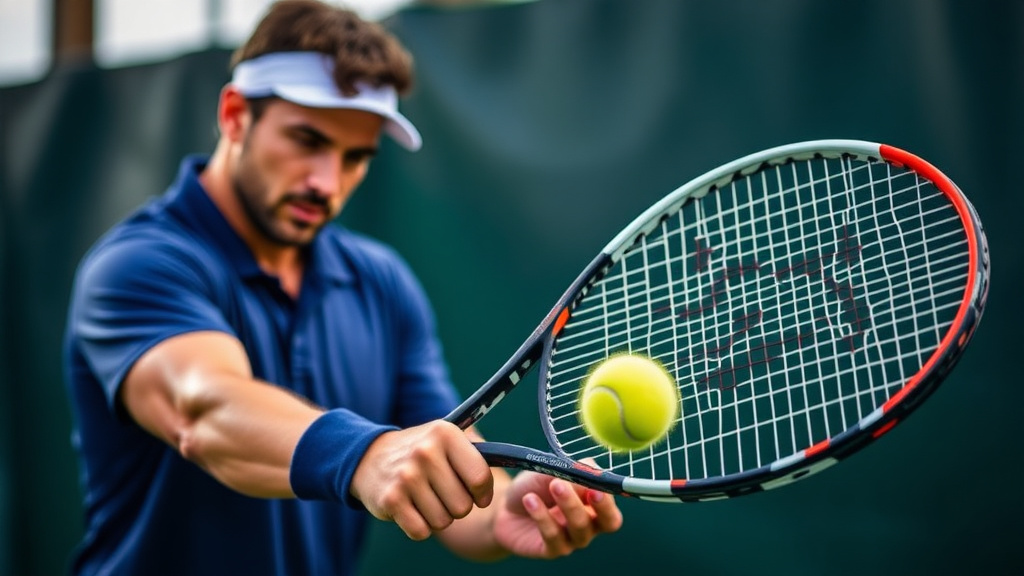
Choosing the right tennis racket can dramatically transform your game, yet many players miss this vital selection. Whether you’re an offensive baseline player, a net-rushing player, or somewhere in between, your racket should complement your unique style rather than impede your performance. This guide examines the key elements—from head size and heft to string pressure and grip size—that establish the best fit. Learn how recognizing your approach and these critical details will enable you to choose a racket that enhances performance and maximizes enjoyment on the court.
Overview
Choosing the right tennis racket is a decision that can substantially affect your performance and enjoyment on the court. A racket that suits your playing style, skill level, and physical attributes will strengthen your game and reduce weaknesses. However, with countless options on today’s market, the selection process can seem overwhelming. Learning the basic principles of racket selection will enable you to make a well-informed decision that truly suits your specific needs and preferences.
Your playing style is the cornerstone of finding your ideal racket. Are you an aggressive baseline player who relies on strong ground strokes, or do you prefer a serve-and-volley style? Possibly you’re an versatile player who values versatility and control. Each style demands specific racket qualities, from racket stiffness to weight balance. By truthfully analyzing how you play tennis, you can identify the key specs. This personal insight is the first step toward uncovering rackets that maximize your potential and suits your strategic approach.
Beyond how you play, multiple performance factors affect racket performance and suitability. Racket head size, weight, balance point, string pattern, and grip size all contribute to how a racket responds and plays in your hands. These factors impact power output, precision, maneuverability, and comfort during extended play. Rather than chasing the latest trend or choosing equipment endorsed by pros, focus on locating gear designed to meet your individual requirements. This personalized approach ensures you choose a racket that truly enhances your game and provides lasting satisfaction.
Key Details
Analyzing your approach to play is the basis for selecting the right tennis racket. Assess whether you favor aggressive baseline rallies, quick net play, or a well-rounded style. Your playing style shapes the racket characteristics you’ll need. Offensive-minded players gain advantages with rackets with larger heads and lighter weights for strong hits. Defensive players typically favor marginally heavier rackets that provide control and steadiness. Take time to carefully evaluate your strong points and weak areas on court before making your purchase decision.
Frame size significantly affects your racket’s playing characteristics and overall gameplay experience. Rackets generally span from 85 to 110 square inches, with larger heads delivering bigger sweet spots and more forgiveness on off-center hits. Compact frames offer improved control and mobility for skilled players with consistent technique. Novice and intermediate players generally benefit from mid-size or oversized rackets that increase power and decrease mistakes. The frame size you select should align with your skill level and physical capabilities to achieve the best results.
Weight and balance are critical factors that significantly impact your racket’s performance and feel during extended matches. Lighter rackets, typically weighing less than 11 ounces, enable faster swing speeds and reduce arm fatigue. Rackets with more weight provide greater stability and power generation through momentum. Rackets with a light head offer better control, while heavy-head rackets deliver more power. Your strength level, stamina, and playing style should inform your weight selection. Trying different models helps identify the ideal weight for your individual needs and preferences.
Outlook
The tennis racket market keeps advancing with innovative technologies intended to boost player performance across all skill levels. Manufacturers are devoting more attention to materials that minimize vibrations, strengthen durability, and offer superior power transmission during impact. As you develop as a player, keeping up with latest technological developments will help you make educated decisions that complement your evolving technique and aspirations on the court.
Your investment in the perfect racket is ultimately an investment in your future in tennis. A carefully selected racket can boost confidence, reduce injury risk, and accelerate skill development by providing the optimal balance of power, control, and comfort. Remember that the priciest or most sought-after racket isn’t necessarily the best choice for you—the perfect racket is one that feels natural in your hands and matches your distinctive playing technique and preferences.
As you start your racket choice process, handle it with thoughtful trial-and-error. Visit local tennis shops to try different rackets, seek advice from coaching professionals and seasoned players, and feel free to adjust your choice as your skills progress. By implementing the strategies outlined in this guide and remaining open to refinement, you’ll discover a racket which enhances your game and brings out your best on the court.
